Premiers push for merit-based hiring, freedom of speech at universities
The premiers of Alberta and Quebec have more in common than their preoccupation with sovereignty referenda. Both have spoken recently on the future of their provinces’ universities.
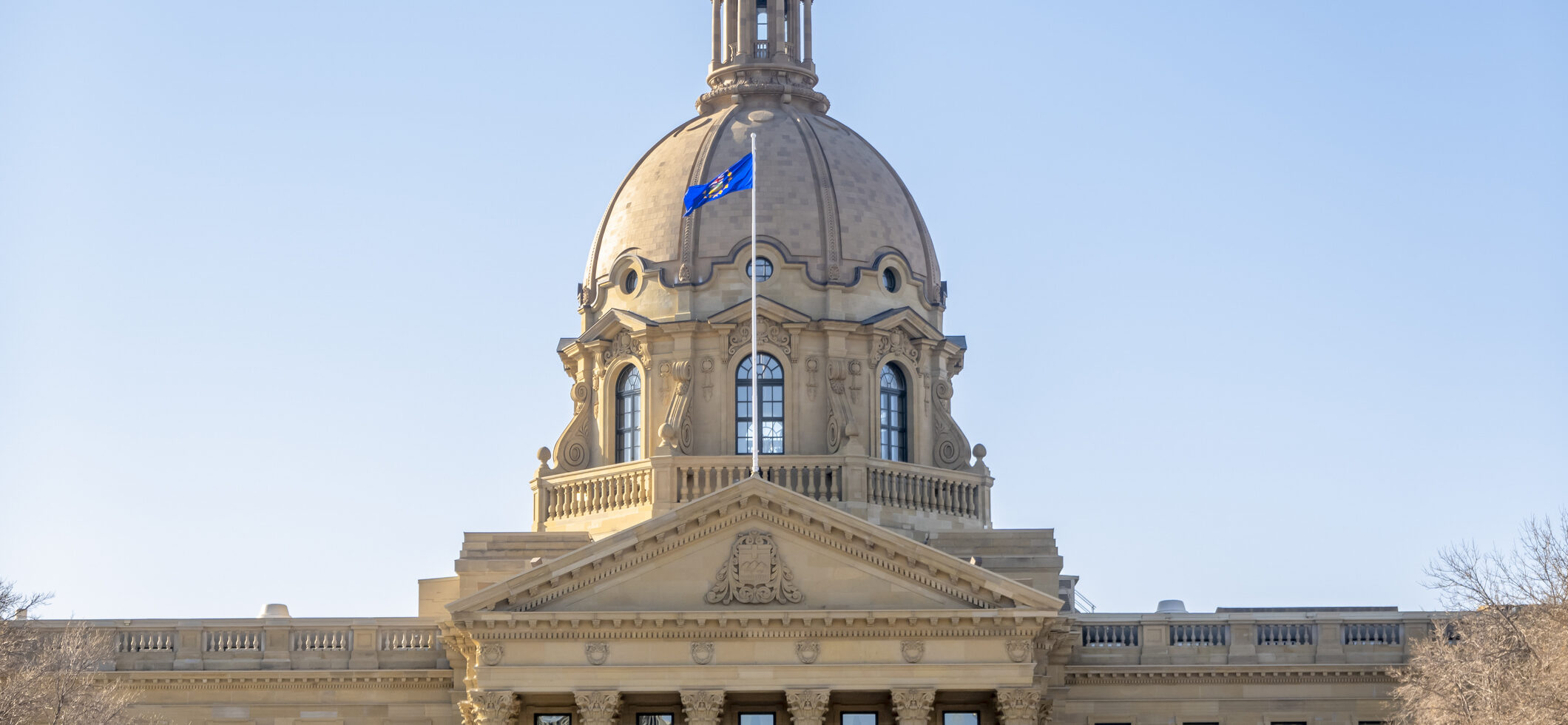
In Bill 33 tabled on Oct. 27, the Alberta Government moved against the discriminatory hiring and training that are a key part of DEI policies and practices, and universities are among the public agencies included in the bill. Premier Danielle Smith said that hiring should be based on merit and qualifications, not on the identities of job seekers: “Hiring decisions should be about who is best qualified for the job, and these changes will help ensure that fairness is at the heart of hiring.”
On Nov. 12, the Post’s Tristin Hopper reported on Quebec Premier Paul St-Pierre Plamondon’s critical reflections on the province’s universities. He instructed his new minister of higher education to ensure that universities are centres of research and academic freedom, where “the scientific method takes precedence over all other considerations.” He added that Quebec “will be guided by the pursuit of truth.”
These were not the new premier’s first reflections on the subject. Hopper reported that in 2025, Plamondon argued that western universities had been overtaken by campaigns of “intimidation” to enshrine “one ideology without contradiction.” He criticized the absence of discussion and democracy, and accused “activist faculty” of punishing students who spoke out. Hopper observed that Plamondon’s view found support in a 2025 study by the Aristotle Foundation that found that nearly half of Canadian university students concealed their political views in class discussions because they feared retaliation.
The path ahead for both Plamondon and Smith is not an easy one. Identity politics and related discrimination are prominent in our universities and research-granting agencies. University leaders are tolerant if not supportive of their practice, and illiberal “progressive” agendas are sufficiently long-standing that they are embedded in institutional cultures.
We can also anticipate the usual arguments about university autonomy and the need for governments to stay out of their internal affairs. These arguments were more compelling in years past when universities honoured institutional neutrality and freedom of speech.
Shaking the monolith will be resisted but must be done. The Section 15(1) Charter right of individuals to freedom from discrimination has been overwhelmed by affirmative action on a scale that was unimaginable when first enshrined. So, too, have the guarantees of freedom of conscience, religion, thought, belief and expression enshrined in Section 2. Injustices faced by individuals not included in favoured identity groups are common. The observant public is increasingly skeptical about the integrity of university missions and actions.
Hopefully we shall see more premiers added to the list now headed by Smith and Plamondon.
Peter MacKinnon OC, KC is a senior fellow with The Aristotle Foundation for Public Policy. Photo: iStock.