Researchers at York University encouraged to conform to ideology to receive grants
A few weeks ago, York University’s vice-president of research and innovation heralded a workshop for its researchers that explored “how decolonization, equity, diversity and inclusion (DEDI) can be meaningfully integrated into research applications.” Though focused on science research, it was said to be relevant to social science, the humanities and health research, too.
This is a political agenda that should have no place in research applications. Decolonization is not a term of settled meaning and wide acceptance. For some of radical persuasion, it means that the foundations of Canada are illegitimate and must be removed even if it means the end of the country itself. Certainly it is a term that implies major change, though of what kind and quality are usually left unspecified.
Diversity, equity and inclusion (DEI) has been widely discussed and has been the subject of surveys by think-tanks and other organizations. It is clear that there are mild, moderate and strong versions of DEI; the unobjectionable mild version recognizes the importance of diversity and encourages outreach in its pursuit. The moderate and strong versions include one or more of race-based hiring, quotas for identity groups, and requirements that job applicants pledge support for them.
In other words, decolonization and DEI are laden with political meanings that will differ depending upon the ideology and politics of observers. The York University workshop would not be open to those who resist support for them or question their place in the research mission: dissenters need not apply, or must conform — unwillingly and in silence — to institutional requirements for their support. If they do not conform, their research and academic careers will be in jeopardy.
It is the quality of the researcher and the scholarly merits of the research proposal that should prevail, not the political ends of universities and federal research councils.
It is more than surprising that our universities and our federal research councils include political causes in their missions, and require adherence to them. It is equally surprising that governments have allowed them to do so: institutional political neutrality is necessary for their widespread support. That support is at risk.
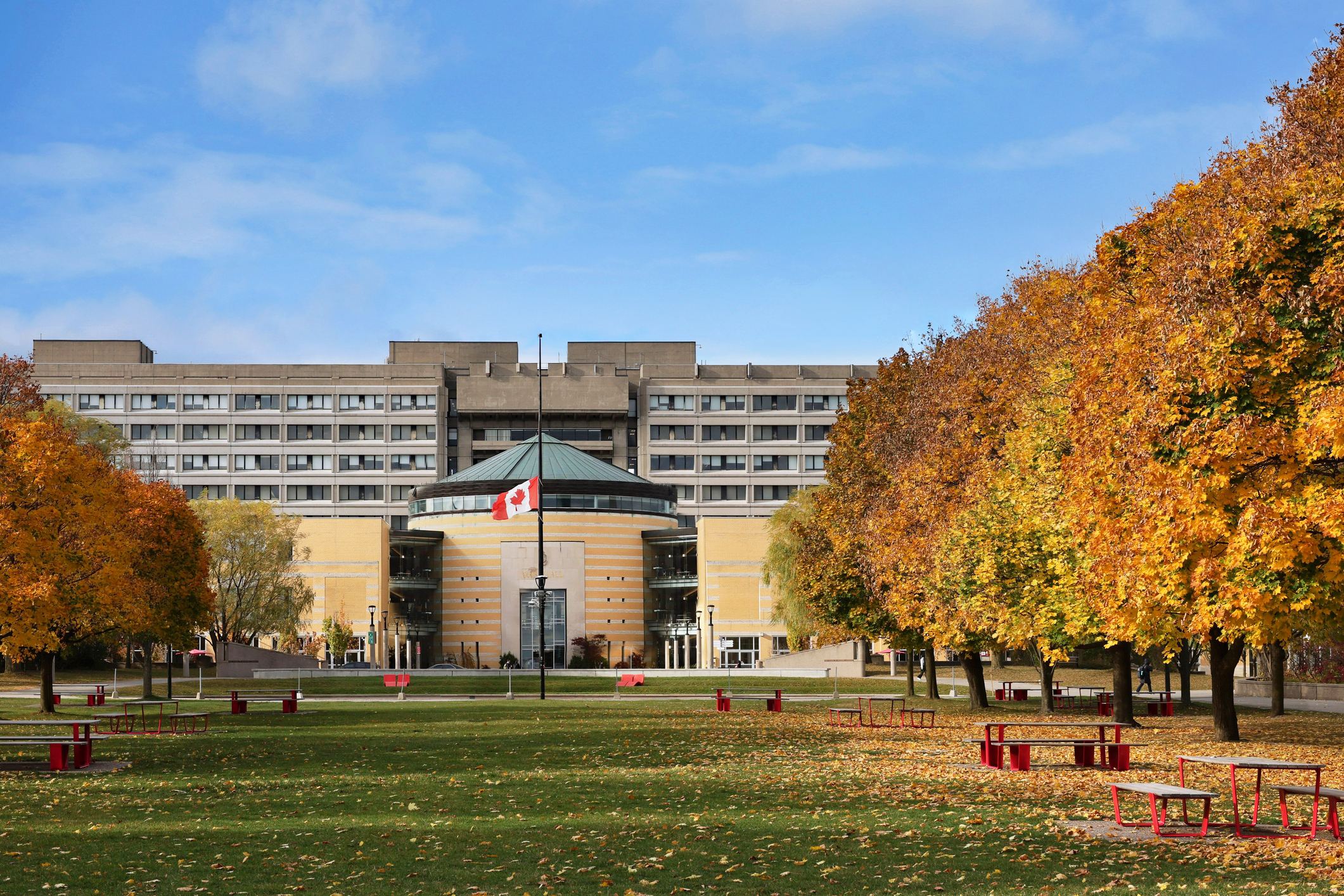
Peter MacKinnon has served as president of three universities and is a senior fellow of the Aristotle Foundation. Photo: York University, Ross Humanities Building and Vari Hall, iStock.